
Antique Persian Rugs | Timeless in Beauty and Heritage

Introduction
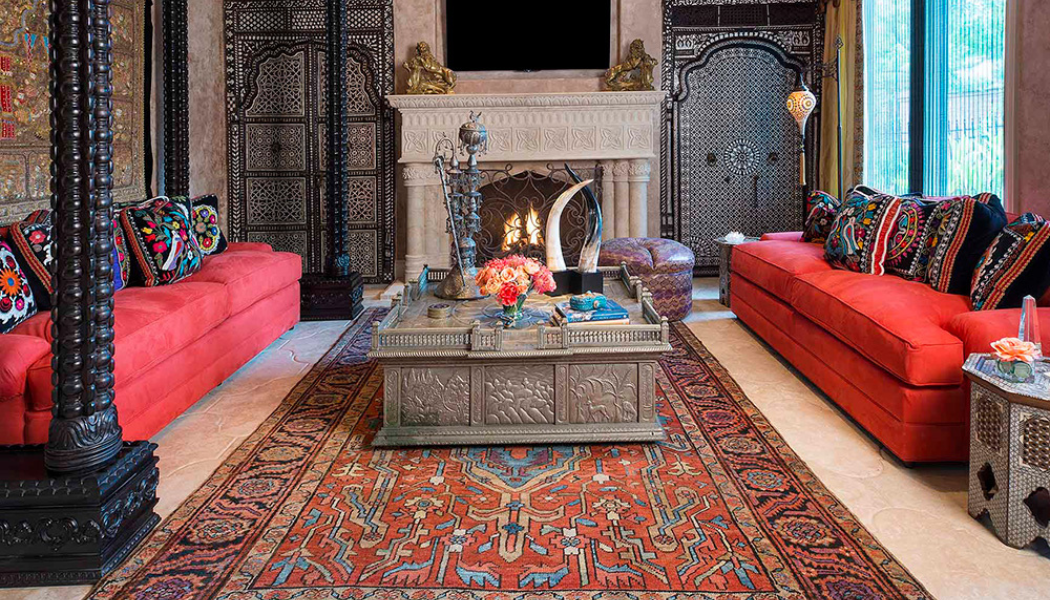
Few decorative elements carry the weight of history, artistry, and cultural significance quite like antique Persian rugs. These masterfully crafted textiles have graced palaces, adorned homes, and captivated collectors for centuries, representing far more than mere floor coverings. Each piece tells a story woven through its intricate patterns, rich colors, and painstaking craftsmanship that can take months or even years to complete.
The allure of these magnificent floor coverings extends beyond their undeniable beauty. They represent a tangible connection to ancient traditions, skilled artisanship, and cultural heritage that spans millennia. When you bring an antique Persian rug into your home, you're not simply adding a decorative accessory—you're becoming a custodian of a piece of art that has survived generations and will continue to tell its story long after we're gone.
History Behind Persian Rug
The tradition of carpet weaving in Persia, modern-day Iran, stretches back over 2,500 years, with some historians suggesting the craft may be even older. Archaeological evidence, including the famous Pazyryk carpet discovered in a frozen tomb in Siberia, demonstrates that Persian weavers were creating sophisticated designs with remarkable technical skill as early as the 5th century BCE.
During the Safavid Dynasty, which ruled Persia from 1501 to 1736, carpet weaving reached unprecedented heights of artistic achievement. Royal workshops in cities like Isfahan, Tabriz, and Kerman produced rugs of such extraordinary quality that they became prized possessions of European royalty and Ottoman sultans. These pieces featured incredibly high knot counts, luxurious materials including silk and metallic threads, and designs that showcased the pinnacle of Persian artistic expression.
The 19th century brought significant changes to the Persian rug industry as European and American demand surged. This period saw the creation of many pieces that collectors today consider highly desirable antiques. Workshops expanded production while maintaining traditional techniques, creating carpets that beautifully balanced commercial viability with artistic integrity. Understanding this historical context helps collectors and enthusiasts appreciate the significance of specific pieces and regional variations.
Regional diversity has always characterized Persian carpet production, with different cities and tribal groups developing distinctive styles, color palettes, and design motifs. From the geometric patterns of tribal weavings to the intricate floral designs of city workshops, each region contributed its unique voice to the rich tapestry of Persian carpet tradition. This diversity means that antique Persian rugs offer something for every aesthetic preference and decorating style.
Understanding Antique Persian Rugs
The designation of "antique" in the rug world carries a specific meaning that helps collectors and buyers make informed decisions. Generally, a rug must be at least 80 to 100 years old to qualify as a genuine antique, though some experts apply even stricter standards. This age requirement ensures that these pieces represent historical periods with distinct characteristics in design, materials, and construction techniques.
Semi-antique Persian rugs, typically ranging from 50 to 80 years old, occupy an interesting middle ground in the market. While not quite meeting the strictest definition of antique, these pieces still offer considerable historical value and often exhibit superior craftsmanship compared to contemporary productions. They can represent excellent investment opportunities for collectors who appreciate historical significance but seek more accessible price points.
Authentication of antique status requires careful examination of multiple factors including dye analysis, material assessment, and construction technique evaluation. Natural dyes used in genuine antiques possess distinctive characteristics that differ from synthetic alternatives introduced in the late 19th century. The abrash, or natural color variation within a single hue, often indicates natural dyeing processes and hand-spinning of wool, both hallmarks of authentic antique pieces.
Condition considerations play a crucial role in valuing antique Persian rugs. Unlike modern manufactured goods, some wear and signs of age are not only expected but can actually enhance desirability when they testify to the rug's authentic history. However, there's a significant difference between graceful aging and damage that compromises structural integrity or visual appeal. Understanding these nuances helps both collectors and decorators make choices that balance historical authenticity with practical usability.
Persian Rug Design
Persian rug designs follow complex traditions rich with symbolism and meaning, transforming each carpet into a visual narrative that extends beyond mere decoration. The central medallion design, one of the most recognizable Persian motifs, often represents the dome of a mosque or the heavens, symbolizing spiritual aspirations and divine order. Surrounding this central element, elaborate corner pieces and borders create a complete compositional universe that draws the eye inward.
Garden designs, known as paradise or hunting carpets, depict idealized visions of earthly paradise drawn from Persian poetry and mysticism. These patterns typically feature flowing water channels, flowering plants, trees, and sometimes animals or hunting scenes. The garden motif reflects the Persian cultural relationship with nature and the historical importance of gardens as spaces of contemplation and beauty in arid climates.
Geometric patterns, particularly prominent in tribal and village weavings, carry meanings rooted in nomadic traditions and pre-Islamic symbolism. Stylized animals, protective symbols, and abstract representations of natural elements connect these rugs to ancient belief systems while creating visually compelling compositions. The bold, graphic quality of geometric designs makes them particularly appealing to contemporary interiors seeking authentic character with modern sensibility.
Floral motifs ranging from realistic botanical representations to highly stylized abstractions appear throughout Persian carpet tradition. The herati pattern, featuring a flower surrounded by four leaves, appears so frequently that it's sometimes called the "mahi" or fish pattern due to the leaf shapes. Meanwhile, the boteh motif, resembling a teardrop or paisley, carries multiple interpretations from cypress trees to flames, demonstrating the layered symbolism present in Persian design language.
Define Persian Traditions
The magnificent color harmonies found in antique Persian rugs result from centuries of dyeing expertise using natural materials. Deep, luminous reds derived from madder root have become virtually synonymous with Persian carpets, creating warm, inviting spaces that anchor entire rooms. A red persian rug particularly showcases this traditional palette, often combining these rich crimson tones with complementary blues and ivory to create timeless compositions.
Blue pigments obtained from indigo plants provided Persian weavers with a range of hues from deep navy to brilliant azure. These cool tones often appear in borders, backgrounds, and design elements, creating visual balance and depth. When you encounter a blue persian rug, you're experiencing a color tradition that connects contemporary spaces to ancient dyeing practices perfected over generations of artisan knowledge.
Green, though less common than red or blue due to the technical challenges of achieving colorfast green dyes, holds special significance in Persian culture as the color of paradise. A green persian rug represents a relatively rare find that often commands premium prices among collectors. The green tones might range from sage to emerald, often combined with warm tones to create sophisticated, nature-inspired palettes.
The use of pink tones in Persian carpets demonstrates the subtle color mastery of these artisans. A pink persian rug typically features rose and salmon hues that create surprisingly sophisticated, livable color schemes. These softer palettes work beautifully in contemporary interiors while maintaining authentic period character, making them increasingly sought after by designers and homeowners seeking versatile antique pieces.
Black appears in Persian rugs primarily as an accent color for outlining designs and creating definition, though some regional styles feature more prominent black elements. A black persian rug with significant dark tones offers dramatic contrast that works exceptionally well in modern interiors while maintaining traditional craftsmanship and design integrity.
Regional Styles
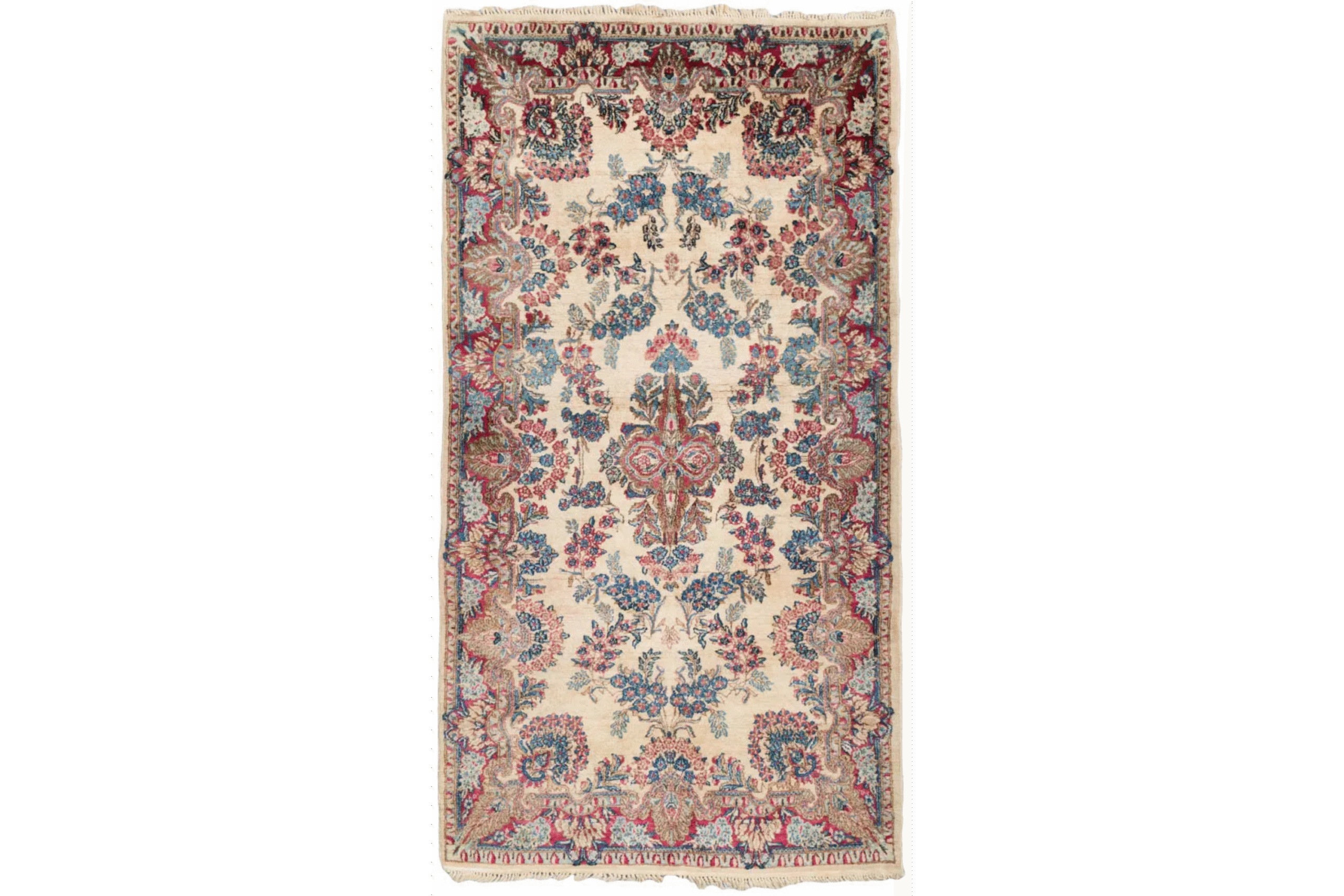
Kashan, located in central Iran, has produced some of the finest Persian carpets for centuries, with antique Kashan Persian rugs particularly prized by collectors. These pieces typically feature elegant floral designs with intricate medallions, often executed in refined color palettes dominated by rich reds, blues, and ivory. The quality of Kashan wool and the skill of local weavers created carpets with exceptional durability alongside their undeniable beauty.
Tabriz, one of Persia's oldest carpet-weaving centers, is known for sophisticated designs often featuring hunting scenes, garden layouts, or elaborate medallion compositions. Antique Tabriz rugs frequently display remarkable precision in execution with extremely high knot counts that allow for detailed pictorial elements. The city's position as a major trading hub influenced its carpet designs, which sometimes incorporated elements appealing to international tastes.
Isfahan carpets represent the pinnacle of Persian court weaving tradition. These pieces typically showcase elaborate floral arabesques, curvilinear designs, and sometimes incorporate silk to achieve luminous highlights and exceptional detail. The color palettes tend toward refined elegance with sophisticated combinations that demonstrate the aesthetic sensibilities of royal workshop production.
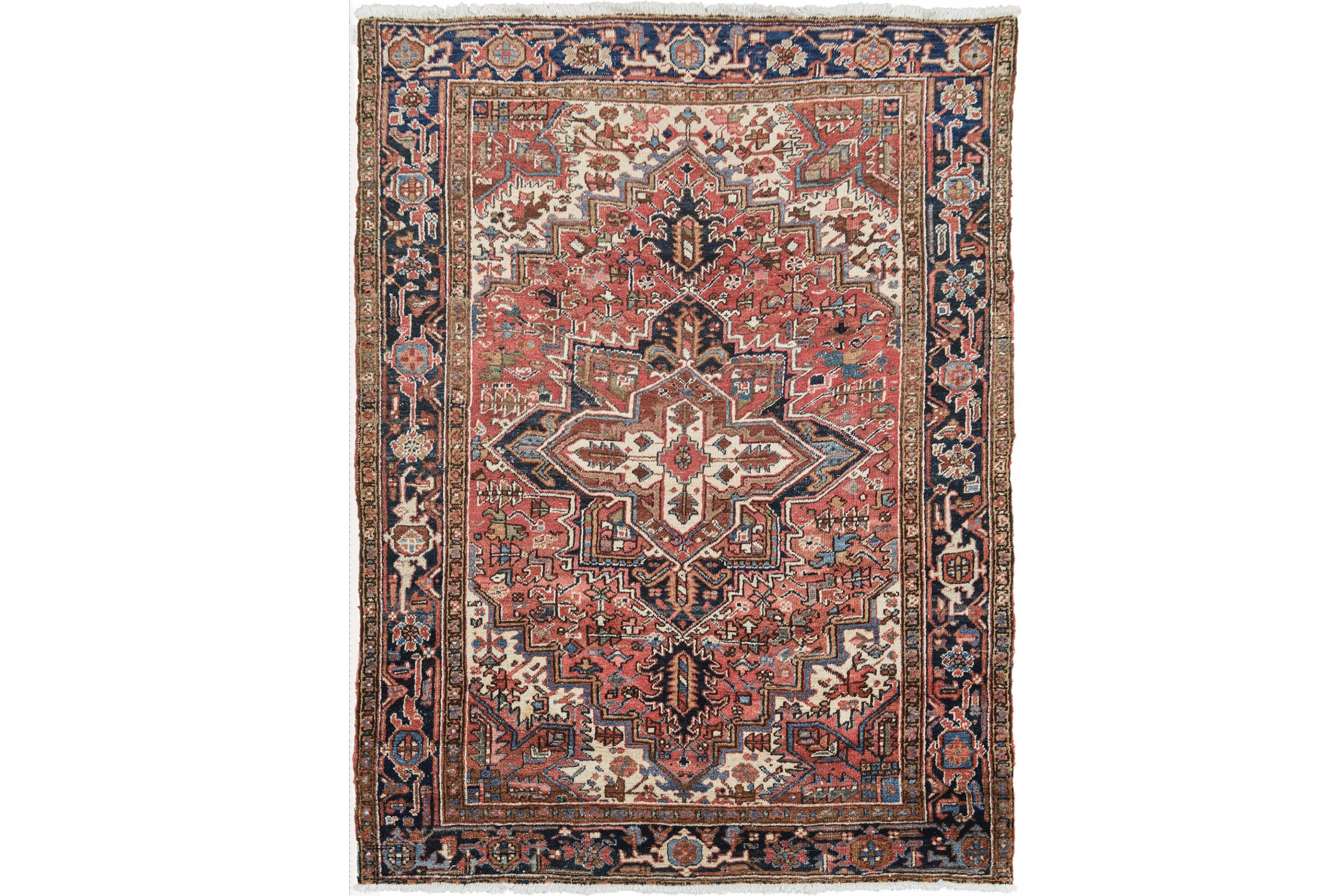
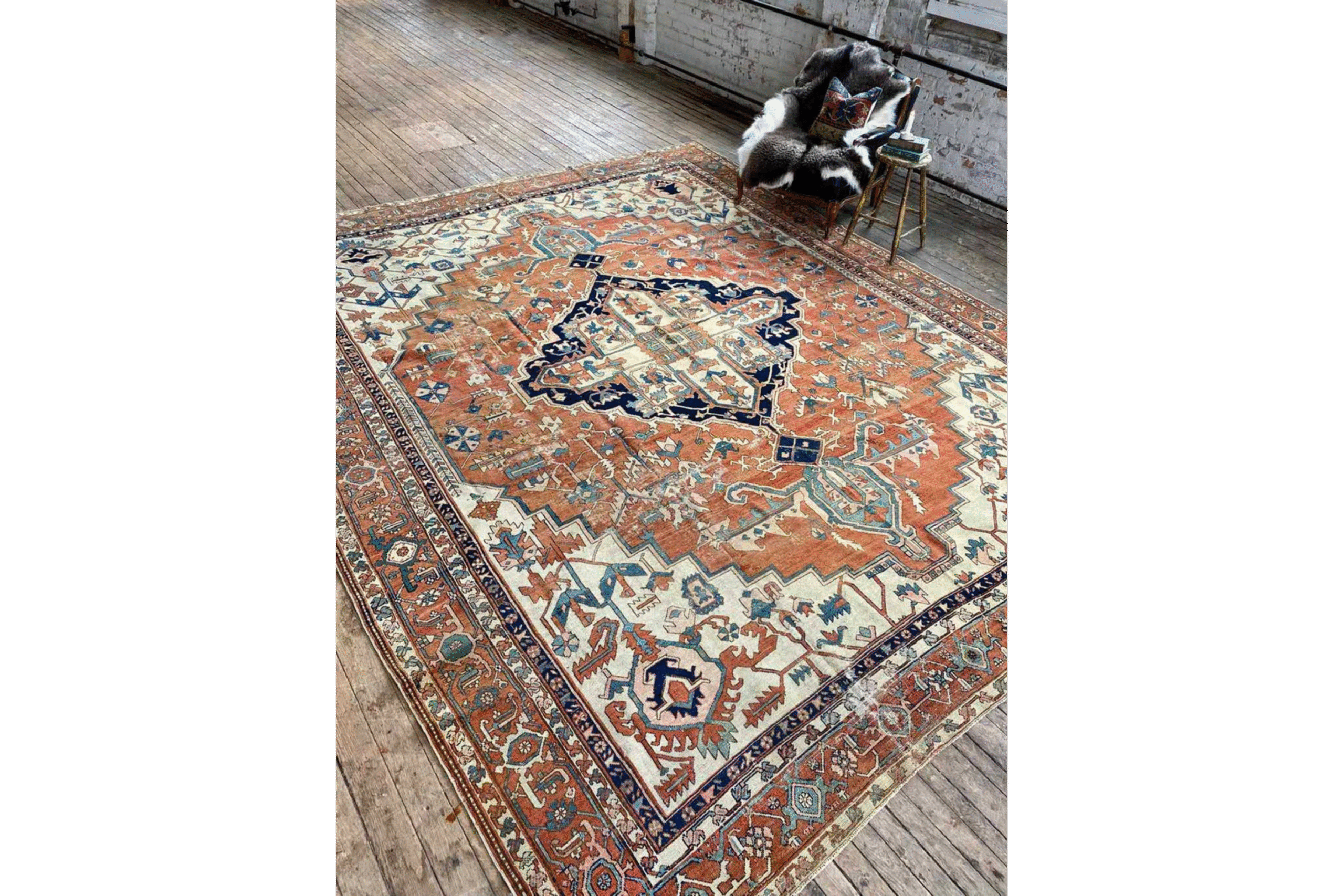
Heriz rugs, originating from the village of the same name in northwest Iran, offer a completely different aesthetic characterized by bold geometric medallions and sturdy construction. These village and workshop productions combine durability with striking visual impact, making them particularly suitable for high-traffic areas while still offering authentic antique character. The angular designs and robust construction of Heriz carpets have made them enduringly popular with Western collectors.
Tribal weavings from groups like the Qashqai, Bakhtiari, and Kurdish peoples provide yet another dimension to Persian carpet tradition. These pieces often feature more spontaneous, less formal designs with vibrant color combinations and folk art sensibility. The authenticity and individual character of tribal antiques appeal to collectors seeking pieces with strong personality and cultural authenticity.
Antique Persian Rugs Design
The versatility of antique Persian rugs allows them to enhance virtually any decorating style, from traditional to ultra-contemporary. In modern minimalist spaces, a single antique carpet can serve as the primary decorative element, introducing warmth, color, and historical depth that prevents the space from feeling cold or sterile. The organic patterns and hand-crafted quality of antique Persian rugs provide essential contrast to the clean lines and manufactured materials typical of contemporary design.
Traditional and transitional interiors naturally accommodate Persian area rugs, where these pieces can anchor furniture groupings and establish color schemes for entire rooms. The key lies in allowing the rug sufficient visual space to make its statement without overwhelming it with competing patterns or excessive accessories. Furniture arrangement should highlight rather than hide the carpet's beauty, with strategic placement ensuring major design elements of antique Persian rugs remain visible.
Layering represents an increasingly popular approach that works particularly well with antique Persian rugs. Placing a smaller antique piece over a larger neutral carpet creates visual interest while protecting the valuable antique from the wear of high-traffic areas. This technique also allows collectors to display multiple antique Persian rugs or rotate seasonal displays without committing to permanent placement.
Scale considerations prove crucial when selecting rugs for specific spaces. An 8x10 persian rug works beautifully in living rooms, dining rooms, or master bedrooms, providing sufficient coverage to anchor furniture groupings while leaving appropriate margin space around the room's perimeter. This size has become a standard in Western interiors specifically because it balances visual impact with practical proportions for typical residential spaces.
Unexpected placements can create memorable design moments that showcase antique Persian rugs in fresh contexts. Consider hanging a particularly fine piece as wall art, which both protects it from floor traffic and displays it as the textile art it truly represents. Smaller pieces work beautifully as table coverings, while runners can transform hallways into gallery-like passages that celebrate craftsmanship and beauty.
Market Considerations
Antique Persian rugs have demonstrated consistent value retention and appreciation over decades, making them not just decorative purchases but genuine investments. Unlike most furnishings that depreciate the moment they're brought home, authentic antique carpets in good condition typically maintain or increase in value over time. This investment potential derives from their inherent rarity, as genuine antiques cannot be reproduced and their numbers naturally diminish through damage and loss.
Market trends reflect growing international appreciation for authentic handmade textiles as mass production has made truly handcrafted items increasingly rare and valued. This broader cultural shift toward valuing artisanal products benefits the antique Persian rug market, particularly for pieces that represent superior craftsmanship and authentic regional traditions.
Provenance and documentation significantly impact value for serious collectors and investment purchasers. Rugs with verified histories, especially those connected to notable collections, estates, or exhibitions, command premium prices. While such documentation isn't necessary for simply enjoying an antique rug in your home, it becomes important if investment appreciation represents a significant purchasing motivation.
Condition impacts value more significantly than any other single factor aside from age and origin. A rug in excellent condition with minimal wear, no repairs, and vibrant colors will command substantially higher prices than a similar piece with significant damage or heavy restoration. However, the definition of "excellent condition" for antique pieces allows for the natural patina and minor wear consistent with age, which actually authenticates the piece's antiquity.
Authentication by recognized experts provides essential protection for buyers making significant investments. Reputable dealers like weavenyc.com ensure that pieces are accurately represented with honest assessments of age, origin, condition, and value, protecting collectors from the misrepresentations that unfortunately occur in less scrupulous markets.
Preservation Techniques
Understanding how to clean a persian rug properly ensures these valuable textiles remain beautiful and intact for future generations. Professional cleaning by specialists experienced with antique textiles should occur every three to five years for rugs in residential use, with longer intervals acceptable for pieces that receive minimal traffic or are displayed rather than actively used. These experts possess the knowledge to assess fiber types, dye stability, and structural conditions that determine appropriate cleaning methods.
Regular maintenance between professional cleanings involves gentle vacuuming with proper technique. Always vacuum in the direction of the pile, never against it, and use a vacuum without a beater bar, which can damage delicate fibers. For particularly fragile antique pieces, some experts recommend professional dusting rather than home vacuuming to minimize mechanical stress on aged fibers.
Rotation practices help distribute wear evenly across the rug's surface, preventing permanent traffic patterns and sun damage. Every six months, rotate your rug 180 degrees so that areas that previously received heavy traffic get respite while previously protected areas take their turn bearing weight. This simple practice can dramatically extend the usable life of an antique carpet.
Spill response requires immediate but gentle action. Blot, never rub, liquid spills with clean white towels to absorb as much moisture as possible. For solid matter, gently scrape up what you can with a dull knife, then address any remaining stain with minimal moisture. Avoid any harsh chemicals or aggressive scrubbing that could damage fibers or spread stains into larger areas.
Environmental conditions significantly affect long-term preservation. Keep antique rugs away from direct sunlight, which fades even the most stable natural dyes over time. Maintain relatively stable temperature and humidity levels to prevent fiber damage from extreme fluctuations. In particularly humid climates, ensure adequate air circulation beneath the rug to prevent mold growth, potentially using specialized rug pads that promote airflow.
Authentication
Distinguishing genuine antique Persian rugs from reproductions or misrepresented pieces requires knowledge and careful examination. The back of an authentic hand-knotted rug reveals the same design visible on the front, with knot structures clearly visible and pattern definition apparent. Machine-made rugs or tufted imitations show a backing material, often canvas or synthetic, with threads or glue visible rather than individual knots.
Material assessment provides crucial authentication clues. Genuine antique Persian rugs use wool, cotton, and sometimes silk fibers that feel distinctly different from synthetic alternatives. Wool should feel somewhat coarse and springy, with natural variation in texture. A simple burn test, performed carefully on a few threads from the fringe, reveals material composition: natural fibers smell like burning hair and leave ash, while synthetics melt and smell like chemicals.
Dye analysis separates authentic antiques from newer pieces treated to appear aged. Natural dyes used in genuine antiques penetrate the wool fibers completely, so even the core of each thread carries color. Synthetic dyes often coat the fiber surface, and in artificially aged pieces, the color may appear inconsistent or applied as a surface treatment. Additionally, natural dyes display characteristic abrash, the subtle color variations that occur when wool is dyed in different dye lots.
Construction quality reveals much about a rug's age and origin. Antique pieces display hand-spinning irregularities in the wool, with slight variations in thread thickness creating subtle textural interest. The selvage edges should be original and wrapped in wool, often with some wear consistent with the rug's age. New selvages might indicate the rug has been cut down or significantly altered, which impacts authenticity and value.
Working with established, reputable dealers provides essential protection against misrepresentation. At weavenyc.com, our commitment to authenticity and transparent dealing ensures that every antique Persian rug comes with accurate information about its age, origin, condition, and characteristics, allowing you to purchase with confidence.
Cultural Significance
Every antique Persian rugs carries stories embedded in its creation and journey through time. The weavers who created these antique Persian rugs often worked for months or years on a single carpet, making countless individual knot-tying decisions that collectively formed the finished design. Understanding this human element transforms how we perceive these objects, shifting them from mere decorative items to repositories of human creativity, patience, and skill.
Regional symbolism woven into antique Persian rugs connects these carpets to specific cultural traditions and beliefs. The Tree of Life motif represents spiritual growth and connection between earthly and divine realms. Bird and animal depictions carry specific meanings varying by region and period. Even seemingly abstract geometric forms often encode symbolic content meaningful to the communities that created antique Persian rugs.
The role of women in Persian carpet production deserves recognition, as women weavers created many of the most celebrated pieces we treasure today. In tribal settings particularly, weaving represented not just economic activity but a form of artistic expression through which women could exercise creativity and record cultural knowledge. Each rug therefore becomes a testament to these women's artistry and their crucial role in maintaining cultural traditions.
Contemporary relevance of these historical pieces extends beyond decoration to serve as tangible connections to cultural heritage in our increasingly globalized world. For people of Persian descent, antique rugs represent links to ancestral traditions and artistic legacy. For others, they offer windows into different cultural perspectives and aesthetic traditions that enrich our understanding of human creativity across time and geography.
At Weave NYC
When you're ready to bring the timeless beauty of an antique Persian rug into your home, partnering with knowledgeable dealers ensures a satisfying experience. At weavenyc.com, we maintain a carefully curated collection of authentic antique and semi-antique Persian carpets representing various regional styles, periods, and aesthetic approaches. Each piece has been carefully selected for its exceptional quality, authenticity, and ability to enhance contemporary living spaces while preserving historical integrity.
Our commitment to transparency means every rug comes with honest assessments of age, condition, origin, and characteristics. We believe informed buyers make better decisions and develop a deeper appreciation for their acquisitions. Whether you're a serious collector seeking investment-grade pieces or a design enthusiast looking for that perfect rug to anchor your living room, our expertise helps match you with pieces that fulfill your specific needs.
The tactile experience of evaluating antique Persian rugs in person provides insights that photographs cannot capture. The hand, or feel, of the wool, the precise color tones in various lighting conditions, and the scale of the piece in relation to your intended space all contribute to making the right choice. We welcome the opportunity to help you experience these magnificent textiles firsthand and find pieces that speak to your aesthetic sensibilities.
Practical considerations including size, color palette, pattern density, and condition all factor into selecting the right antique Persian rug for your space and lifestyle. Our team helps navigate these considerations while ensuring you understand care requirements, placement recommendations, and long-term value expectations. This comprehensive approach ensures your purchase brings lasting satisfaction and becomes a treasured part of your home's story.
Conclusion
Antique Persian rugs represent a unique intersection of functional object, investment vehicle, and museum-quality art that few other decorative elements can claim. Their continued relevance across changing design trends and cultural shifts testifies to the timeless nature of true quality and authentic craftsmanship. When you walk across an antique Persian carpet, you're literally treading on history, experiencing beauty that has captivated generations before you and will continue enchanting those who come after.
The decision to incorporate one of these magnificent textiles into your home represents more than a decorating choice—it's a commitment to preserving cultural heritage, supporting artisanal traditions, and surrounding yourself with genuine beauty. Unlike trendy decor items that quickly feel dated, an authentic antique Persian rug never goes out of style because it was never about following trends in the first place.
For those ready to embark on this journey into Persian carpet appreciation, whether acquiring your first piece or adding to an established collection, the expertise and inventory available at weavenyc.com provides an excellent starting point. Our passion for these remarkable textiles informs every aspect of our business, from acquisition to client education to ongoing support as you enjoy your purchase for years to come.
The world of antique Persian rugs offers endless opportunities for discovery, appreciation, and enjoyment. Each piece tells its own story while contributing to the larger narrative of human creativity and craftsmanship that spans millennia. By bringing one of these treasures into your home, you become part of that continuing story, a link in the chain of appreciation that ensures these magnificent works survive and inspire for generations yet to come.